
When people talk about “types of Labs,” they often don’t mean distinct breeds — technically, there’s only one breed: the Labrador Retriever. But over time, breeders have emphasized different traits, leading to common variants in appearance, temperament, and use.
Below are the most recognized “types” or variants of Labs. Use this as a guide — personality, training, and environment still matter most.
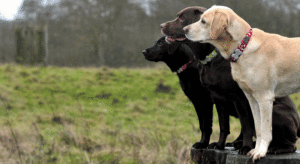
1. American / “Field” Labrador
Also called: Field Lab, hunting Lab, working Lab
Characteristics
- Leaner, athletic build
- Narrower head, longer nose
- High energy, agile, lots of drive
- Bred for performance and working tasks (retrieving, field trials, hunting)
- Needs lots of mental and physical stimulation
Pros & Cons
| Pros | Cons |
|---|---|
| Excellent for active guardians who want a working or sport dog | Can become destructive if under-exercised or bored |
| Sharp retriever instincts, good for field work, agility, etc. | Sometimes harder to calm down or settle in the house |
| Efficient, agile, often high stamina | May be more reactive to triggers |
Best for: Households who walk, hike, swim, or train daily — people who want a “doer” dog.
2. English / “Bench / Show” Labrador
Also called: Show Lab, conformation Lab, bench Lab
Characteristics
- Heavier, stockier, more robust build
- Broader head, shorter nose
- Lower energy levels (relatively)
- Bred for conformation, appearance, temperament
- Often used in show rings and as companion dogs
Pros & Cons
| Pros | Cons |
|---|---|
| More forgiving energy levels for moderate‐activity households | Can gain weight if not exercised or monitored |
| Gentle nature; often more mellow around kids, in less active homes | Less stamina for high-intensity work |
| Excellent for conformation, therapy, companionship | May lack the drive for demanding performance tasks |
Best for: Families, therapy roles, or owners who want a lab that’s a balance of energy and calm.
3. Dual-Purpose / Utility Lab
Also called: All-purpose Lab, hybrid Lab
Characteristics
- A blend between field and show lines
- Balanced build (not too lean, not too bulky)
- Moderate energy but capable of work
- Versatile — can be good in field trials and in the home
Pros & Cons
| Pros | Cons |
|---|---|
| More adaptable to different lifestyles | May not excel as extremely as field or show lines |
| Good for owners who want one dog for many roles | Needs consistent stimulation so it doesn’t become mediocre across the board |
| Flexibility in training, work, family | Might show traits (like high energy) that need channeling |
Best for: Guardians who want a lab that can do a bit of everything — hunting, fun sports, and being a family dog.
4. Coat / Color Variants (Not “Types” but distinctions worth noting)
While Labs don’t have “types” by color, coat and color differences are often discussed:
- Classic colors: Black, Chocolate, Yellow (recognized by major kennel clubs)
- Shades within yellow: Cream, Fox red, Golden
- Controversial colors: Silver, Charcoal, Champagne — some breeders produce these, but many traditionalists disagree on their legitimacy
- Dudley Labs: Yellow coat with lighter (pinkish) nose/lips due to lack of pigment — not officially recognized in many clubs
Color doesn’t inherently change temperament or working ability, but genetics tied to coat color can sometimes affect health or suitability for certain tasks (e.g. lighter noses may be more prone to sun damage).
🧩 Which Type of Lab Is Right for You?
Here’s a checklist to help you decide which variant might suit your life:
- Activity Level
- Do you hike, swim, jog daily? → Field / American or Dual-Purpose
- Prefer moderate walks, family life, occasional play? → Show / English or Dual
- Training & Purpose
- Want a hunting or sport companion? → Field or Dual
- Want a reliable family pet, gentle, show or therapy work? → English or Dual
- Space & Time
- Ample backyard, time for training, play, enrichment? → Field lines
- More limited time, desire a calmer presence? → English lines
- Health Considerations
- Stockier builds can carry extra weight; lean builds need to be fed well to maintain condition
- Every Lab needs joint care, strong diet, and conditioning regardless of “type”
Final Thoughts
There is no universal “best Lab type.” The ideal one for you depends on your lifestyle, goals, energy, and willingness to train and engage.
The differences between types are meaningful, but the individual dog’s temperament, socialization, training, and care make the greatest difference in how well your Lab fits into your life.
If you like, I can also generate a WordPress-formatted version (with meta tags, internal links, image captions) for use on your blog. Would you like me to do that now?